NW3 alleyway access guide for Hampstead rubbish collection
Posted on 16/06/2026
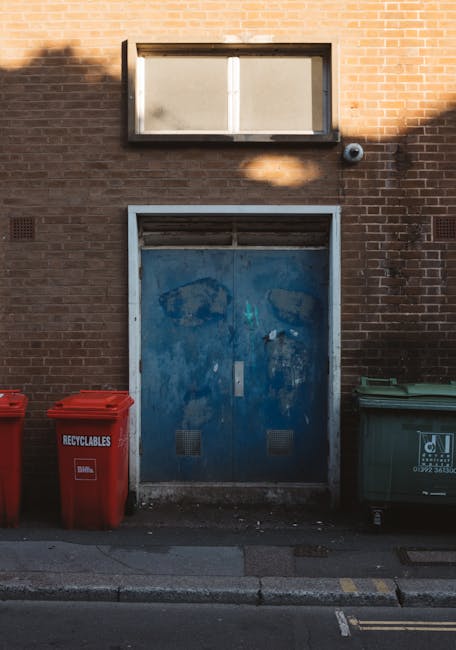
NW3 Alleyway Access Guide for Hampstead Rubbish Collection
If you live, work, or manage property in Hampstead, you'll already know that the charming bits are often the awkward bits too. Narrow lanes, shared rear passages, tight turns, steep mews-style approaches, and those old brick alleyways can make rubbish collection feel a lot more complicated than it should be. This NW3 alleyway access guide for Hampstead rubbish collection is here to make the process clearer, safer, and much less stressful.
Whether you're arranging a one-off clear-out, dealing with builders' waste, or just trying to get bulky items out of a back passage without blocking everyone else's day, the key is planning the access properly. A few small checks before collection day can save time, prevent damage, and reduce the chance of a failed pickup. Let's face it, nobody wants a skip bag stranded half-in the alley and half-in the rain.
Below, you'll find a practical, local-first guide covering why access matters, how it works, the common pitfalls, and the best way to prepare for rubbish removal in those tighter NW3 spaces.
Why NW3 alleyway access guide for Hampstead rubbish collection Matters
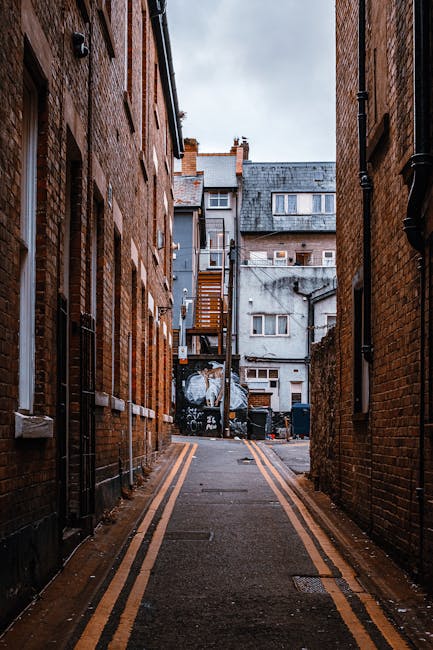
In Hampstead, waste collection is rarely just a question of putting bags outside. Many homes and businesses in NW3 rely on rear alleys, side gates, basement courtyards, or shared access paths. These spaces can be narrow, uneven, partially obstructed, or simply not obvious from the street. That makes access planning a big part of successful rubbish removal.
When access is poor, a collection can slow down quickly. Items may need to be carried further than expected, which adds labour and time. In some cases, there's no safe way to move larger items at all without a proper route, the right vehicle positioning, and a clear handover point. If you've ever tried to wriggle a broken wardrobe through a Victorian passageway, you'll know exactly what that means.
This matters even more in busy residential pockets near Hampstead High Street, conservation-style streets, and older terraces where neighbours share passage rights or narrow access corridors. A practical access plan helps protect property, avoids unnecessary disruption, and makes the whole job more predictable. For a broader local context, you may also find the local guide to rubbish collection in NW3 Hampstead useful alongside this article.
There's another reason it matters: safety. Tight alleyways often have trip hazards, low walls, slippery surfaces, or poor lighting. A little planning reduces the chance of damage to doors, railings, drainpipes, or the collection team itself. To be fair, that's the difference between a smooth job and a frustrating one.
How NW3 alleyway access guide for Hampstead rubbish collection Works
Think of alleyway access as the route your waste needs to travel before it reaches the collection vehicle. In practice, that means checking the path from the point of storage to the pick-up point. Sometimes that's a front pavement. Sometimes it's the rear of the property. Sometimes it's a shared side return that only works if bins are moved at a certain time. The details matter.
Good access planning usually follows a simple sequence:
- Identify where the waste is stored.
- Map the safest route to the street or loading area.
- Check width, height, surface condition, and turning space.
- Remove obstructions such as bikes, planters, lockable bins, or low-hanging items.
- Confirm whether the route is shared, private, or needs permission to use.
- Prepare the waste in manageable loads, especially where doorways or steps are tight.
That sequence sounds obvious, but in real life people often skip straight to the last step. Then collection day arrives and the wheelie bin can't make the turn, or a sofa won't fit through the gate. Not ideal.
The other practical issue is vehicle access. Even if your alleyway is fine for walking waste out by hand, the collection vehicle may still need a safe place to stop. In narrow parts of NW3, the handover point and the vehicle position need to be planned together. For a fuller overview of services in the area, see the services overview.
Key Benefits and Practical Advantages
When alleyway access is handled well, the benefits are immediate and pretty tangible. The job gets done faster, the property stays tidier, and everyone spends less time trying to solve avoidable problems at the kerbside.
- Fewer delays: clear access means less time spent moving items around or unblocking routes.
- Lower risk of damage: careful route planning helps protect walls, floors, railings, and gates.
- Better safety: less lifting in awkward positions, fewer trip hazards, and less congestion in shared spaces.
- More efficient loading: waste can be grouped and transferred in a sensible order, especially for heavier items.
- Less neighbour friction: shared alleyways can be sensitive, and good planning avoids blocking others in.
- Cleaner finish: waste leaves from one organised point rather than being dragged through several rooms or corridors.
There's also a quieter benefit: peace of mind. When you know the access has been checked, the collection day feels manageable rather than chaotic. That matters if you're running a move-out, a renovation, or a long-overdue house clearance.
Local properties vary a lot in Hampstead, from period homes with side returns to compact flats with rear access through communal areas. If you're planning a clear-out in a residential setting, this guide to Hampstead residential properties gives useful background on the kinds of buildings you'll often be dealing with. And if you're looking at the money side too, the pricing and quotes page is the right place to understand how job details can affect cost.
Who This Is For and When It Makes Sense
This guide is useful for a surprisingly wide group of people. If you're in NW3 and the waste does not simply go straight out onto a wide pavement, you're probably in the right place.
It's especially relevant for:
- homeowners with rear access alleys or shared side passages
- landlords arranging end-of-tenancy clearances
- estate agents dealing with timed removals between viewings
- builders and tradespeople managing rubble or packaging in tight access zones
- small businesses on narrow streets or tucked-away commercial yards
- households with bulky items that won't fit through the front of the property
It also makes sense when you're dealing with awkward waste types: broken furniture, old appliances, garden waste from a rear plot, or mixed builders' waste after a refurbishment. That's where access can change everything. A garden path that works fine for a bag of clippings may be hopeless for a mattress or wardrobe.
If your property is near busier strips such as the High Street, or if access depends on timed loading, it can help to cross-check with the Hampstead High Street rubbish removal guide for residents. Different streets bring different practical headaches, and the sooner you spot them, the better.
This is not only for "difficult" properties either. Even a standard-looking house can have a deceptively tight back route, especially in older NW3 streets where the original layout was never designed around modern waste volumes. Truth be told, that's very Hampstead.
Step-by-Step Guidance
Here's a practical process you can use before collection day. It's simple, but it works.
1. Walk the route end to end
Go from the waste storage point to the collection point and look at it like the crew will. Check width, height, bends, steps, and any awkward doors or locked gates. Don't just glance at it from inside the kitchen and hope for the best. That rarely ends well.
2. Measure the tightest points
Measure the narrowest part of the route, not the widest. If a sofa, fridge, or builders' sack needs to pass through, the smallest gap is what matters. Keep an eye out for radiators, pipework, light fittings, and bin handles that reduce clearance more than you'd expect.
3. Clear obstacles early
Move bikes, plant pots, loose tools, bins, and anything that could snag a load or block the turning circle. In shared alleyways, let neighbours know what time you need the route clear. A quick note or message can prevent a lot of grumbling later.
4. Separate the waste by handling difficulty
Put the easiest items closest to the exit and the heaviest or most awkward items where they can be lifted safely. Break down flat-pack furniture if you can. Tie or bag loose waste so it doesn't scatter in the wind. A bit of organisation here saves time.
5. Confirm where the handover will happen
Decide where the waste will be passed to the collection team. Sometimes that will be the alley mouth. Sometimes the back gate. Sometimes a front-facing point if the rear access is too tight for efficient loading. Everyone should know the plan before anyone starts lifting.
6. Check timing and neighbour access
If the alley is shared, aim for a time when foot traffic is low. Early morning or mid-morning often works better than the school-run window or late afternoon. If bins, gates, or parked vehicles regularly appear, build a bit of buffer into the schedule.
7. Keep the route visible and lit
On darker mornings, especially in autumn and winter, visibility can be patchy. A lamp, porch light, or temporary lighting can help reduce trips and slips. Nothing dramatic, just enough to see where your feet are going.
Expert Tips for Better Results
Small adjustments can make a big difference in narrow NW3 access routes. In our experience, the best results usually come from avoiding last-minute improvisation. That is where things get sticky.
- Photograph the route before the collection: it helps you spot obstructions and gives everyone a shared reference point.
- Use smaller loads for awkward routes: several manageable trips are often safer than one over-packed carry.
- Protect contact points: if items may brush against walls or railings, add temporary padding where appropriate.
- Reserve a clear staging area: one tidy spot near the exit keeps the route open and prevents pile-ups.
- Think about weather: wet paving, leaf fall, and muddy side returns can make alleyways much more slippery than they looked the day before.
- Plan for the return journey too: once waste leaves, check whether gates, bins, and access points can be closed quickly and safely.
If you're dealing with a larger clear-out, it can help to think in "zones": what can leave first, what needs dismantling, what should stay indoors until the final pass. A little structure goes a long way. And yes, even the most patient team appreciates not having to play furniture Tetris in a narrow passage at 8am.
For heavier or mixed loads, especially after works or refurbishments, the builders' waste disposal in Hampstead page can be a useful companion read because access and handling needs are often more demanding than for ordinary household waste.
Common Mistakes to Avoid
Most access issues come down to a few repeat mistakes. Once you know them, they're easy enough to avoid.
- Assuming a narrow route will "probably be fine": probably is not good enough when large items are involved.
- Forgetting about turning space: a route may be wide enough in a straight line but impossible at the bend.
- Leaving the route cluttered: recycling boxes, garden tools, and laundry bikes have a habit of appearing right when they're least wanted.
- Ignoring shared access etiquette: in communal alleyways, blocked passage can quickly become a neighbour dispute.
- Not checking for low obstacles: cables, plant hooks, and hanging signs are easy to miss.
- Waiting until collection morning to measure: by then, you're already in damage-control mode.
One particularly common issue is overestimating the space needed for a loaded item compared with an empty one. A mattress can bend more than a rigid wardrobe, but a wardrobe may be easier to carry if it's already dismantled. This is why access planning is never just about "size"; it's about shape, weight, and movement.
Another mistake is not thinking about the waste stream itself. Garden waste, household items, office clutter, and mixed clear-out material all behave differently when carried through a tight corridor. If you want to see how those service types differ, the waste collection service overview and house clearance page provide helpful context.
Tools, Resources and Recommendations
You do not need a lot of fancy equipment for good alleyway access, but a few basic tools make the job easier and safer.
| Tool or resource | Why it helps | Best use |
|---|---|---|
| Tape measure | Confirms the tightest widths and heights | Before collection day, especially for bulky items |
| Work gloves | Improves grip and reduces minor scrapes | Carrying mixed waste, garden cuttings, or rough materials |
| Portable light | Improves visibility in dim alleys | Early morning or winter collections |
| Heavy-duty bags or sacks | Keeps loose waste contained | Small mixed waste, garden waste, packaging |
| Dismantling tools | Helps break down large items | Furniture disposal and flat-pack items |
| Phone camera | Captures the route and problem points | Pre-checks and communication with the collection team |
As for resources, the most useful ones are often the least glamorous: your own measurements, a few clear photos, and a straightforward plan for what needs to move first. If you're comparing service options, you may also want to review furniture disposal in Hampstead, garden waste removal in Hampstead, and office clearance in Hampstead depending on the type of rubbish you're dealing with.
If your priority is understanding how a collection is priced, especially where access affects labour or load handling, the pricing and quotes page is the sensible next stop. And if you care about what happens to the waste after pickup, the recycling and sustainability page explains the broader approach in plain English.
Law, Compliance, Standards, or Best Practice
For Hampstead rubbish collection, compliance usually comes down to a few everyday responsibilities rather than anything dramatic. You should keep access safe, avoid blocking emergency routes, respect shared property rights, and handle waste in a way that does not create nuisance or risk. That may sound basic, but basic is good. Basic is reliable.
In practical terms, best practice means:
- not storing waste where it can obstruct other users of a shared alley
- keeping paths free from loose debris, glass, nails, and sharp edges
- avoiding lifting or carrying methods that create avoidable risk
- checking whether the route crosses private, communal, or managed access space
- making sure waste is prepared in a way that supports safe collection
If you live in a property with common access, it's worth being careful about consent and timing. The same goes for basement or rear-lane collection points that may be shared with other occupiers. Where access is restricted, the safest approach is to make sure arrangements are clear before the day itself. A rushed job in a cramped alley is never the best version of events.
For service-side reassurance, it can also help to review insurance and safety information and terms and conditions so expectations are clear on both sides. If you need broader company background, the about us page is there too.
One gentle reminder: if a route feels unsafe, it probably is. Don't force a bulky item through a passage just because it seems nearly possible. Nearly is how people end up with scratched walls and sore backs.
Options, Methods, or Comparison Table
Different access methods suit different NW3 properties. A quick comparison can help you decide what's realistic before collection day.
| Method | Best for | Pros | Limitations |
|---|---|---|---|
| Front-pavement collection | Homes with easy street access | Simple, fast, minimal carrying distance | Can be difficult on busy roads or where parking is limited |
| Rear alley handover | Terraces, mews homes, shared back passages | Discreet, often closer to storage areas | Width, lighting, and shared access can be tricky |
| Side-return access | Houses with narrow side paths | Useful for garden and household waste | Often too tight for large furniture unless dismantled |
| Internal carry to front point | Flat clear-outs and small offices | Flexible when rear access is blocked | Longer carry distance, more handling time |
For most people in Hampstead, the decision is not about finding a perfect method. It's about choosing the least awkward one that still keeps everyone safe. In some cases, the rear alley is clearly best. In others, using the front point is simply cleaner and quicker, even if it means a few extra steps.
Case Study or Real-World Example
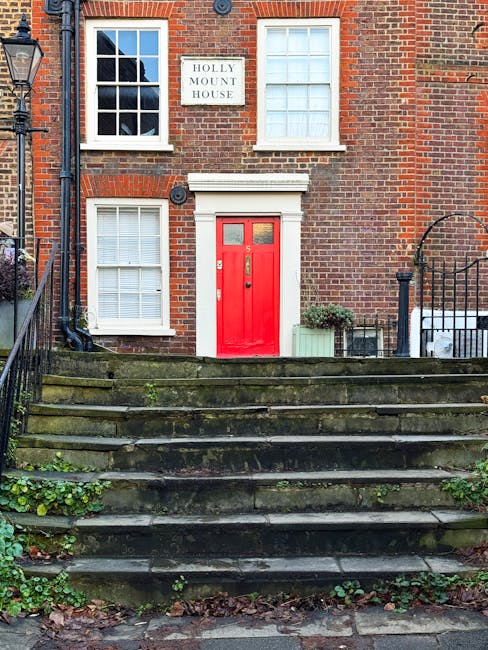
A typical NW3 scenario might look like this. A homeowner near a quiet side street is clearing out a spare room and a small garden store. The rear access is through a narrow alley shared with two neighbouring properties. On paper, it seems manageable. In reality, there's a wheelie bin, a bicycle, a folded chair, and a low wall that narrows the turning point.
Before collection day, the route is checked end to end. The homeowner moves the bicycle, clears loose branches, and leaves the gate unlocked for a short window. Smaller waste bags are placed nearest the exit, while the dismantled wardrobe panels are stacked flat. Because the alley is slightly damp from overnight drizzle, a mat is laid over the slickest section. Nothing fancy, just sensible.
The result is straightforward: the waste is moved in fewer trips, nothing gets caught on the gate latch, and the neighbour doesn't have to squeeze past a pile of boxes on the way to work. It's not dramatic, but that's the point. Good access planning usually feels almost boring when it works. And boring is beautiful on collection day.
In a nearby commercial example, a small office tucked behind the High Street may have to combine rear access with timed building entry and limited loading space. In that case, the team often benefits from reading the High Street rubbish removal guide first, because the route, timing, and neighbour flow all become part of the plan.
Practical Checklist
Use this checklist the day before collection, or even earlier if the access is particularly tight.
- Measure the narrowest access points including gates, bends, steps, and door openings
- Remove obstacles such as bins, bikes, pots, and loose tools
- Confirm the handover location for the waste
- Check lighting for early or late collections
- Protect likely contact points where items might rub against walls or railings
- Dismantle bulky furniture where possible
- Bag or contain loose waste
- Notify neighbours if the route is shared
- Plan for wet or slippery surfaces
- Keep a clear path back out once the items have been removed
If you can tick off most of those items, you're already ahead of the game. Seriously. Many access problems disappear once the route is cleaned up and the waste is staged in a sensible order.
If you want to compare service information before booking, it can also be helpful to revisit the waste collection and services overview pages so you know which type of collection best fits the job.
Conclusion
NW3 alleyway access might seem like a small detail, but in Hampstead it's often the detail that decides whether rubbish collection is smooth, awkward, or a complete headache. A clear route, a sensible handover point, and a little advance planning can save time, reduce risk, and make the whole process feel much calmer.
The main thing to remember is simple: don't leave access as an afterthought. Measure it, clear it, and think about it from the point of view of the people who actually need to move the waste. That one habit can make a world of difference, especially in older NW3 properties where space is tight and every turn matters.
Get a free quote today and see how much you can save.
And if you're still weighing up the practical side of a collection, a little local knowledge goes a long way. Hampstead always rewards the careful planner. It's part of the charm, really.
 Tipper Van - Rubbish Removal and Waste Collection Prices in Hampstead, NW3
 Luton Van - Rubbish Removal and Waste Collection Prices in Hampstead, NW3


