Hampstead High Street rubbish removal guide for residents
Posted on 06/06/2026
If you live near Hampstead High Street, rubbish has a funny way of becoming urgent at the worst possible moment. One minute it is a bag of flat-pack packaging by the front door; the next, you are staring at a pile of old furniture, broken appliances, or renovation debris and wondering how on earth it is all meant to disappear. This Hampstead High Street rubbish removal guide for residents is here to make that easier. It explains what removal actually involves, how to plan it properly, what to watch out for on a busy local street, and how to choose a sensible option without turning a simple clear-out into a weekend headache.
Hampstead is lovely, but it is not the sort of place where waste can be handled casually. Narrow streets, flats above shops, time-sensitive access, shared entrances, and a steady stream of foot traffic all make rubbish removal a little more involved than in a suburban cul-de-sac. The good news? With a bit of organisation, the whole process becomes surprisingly manageable. Let's go through it step by step.
For residents who want a broader overview of available support, it can also help to look at a full services overview and compare that with the practical needs of your property.
Why Hampstead High Street rubbish removal guide for residents Matters
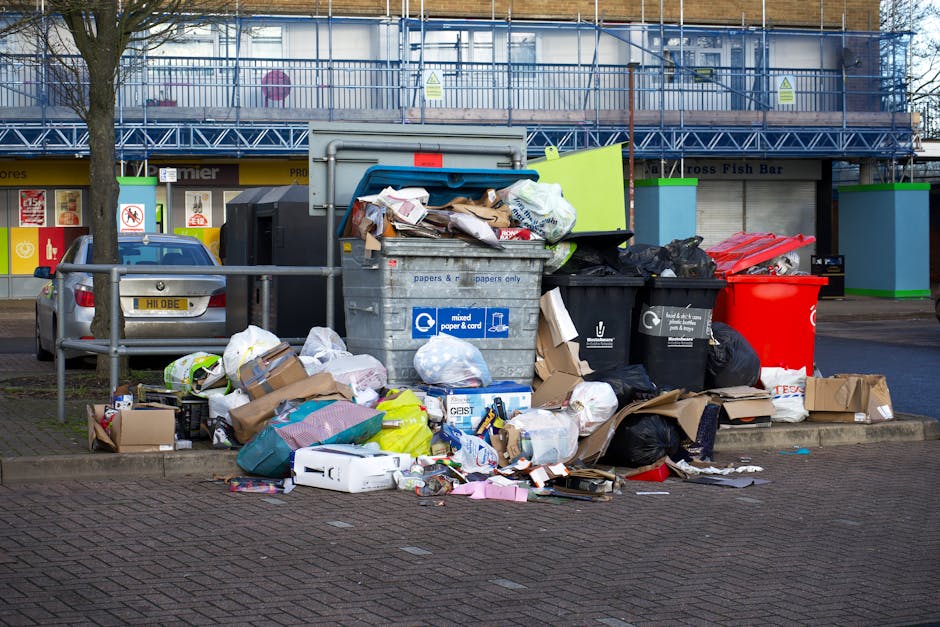
Rubbish removal around Hampstead High Street is not just about getting rid of clutter. It is about keeping a busy, attractive neighbourhood tidy, safe, and workable for everyone who lives there. That may sound obvious, but in practice it means planning around limited access, neighbours, stairwells, parking restrictions, and the simple reality that a pile of waste at the wrong time can become a nuisance very quickly.
If you have ever tried to carry a bulky sofa through a narrow hallway while someone else is trying to get past with shopping bags, you will know the problem. There is usually a small moment of chaos. Then the lift gets held open. Then someone sighs. Not the end of the world, but you probably do not want to repeat it if you can help it.
There is also a practical side to this that residents often underestimate: waste type matters. Mixed rubbish, garden waste, builders' debris, and old furniture all behave differently. Some can be reused or recycled more easily than others, while certain items need extra care because of size, weight, or material. That is why a proper local plan beats a rushed clear-out every time.
For readers interested in the broader local context, what it's like to live in Hampstead offers a useful sense of why keeping homes and streets well maintained matters so much here. And if you want to understand the character of the area a little more, the piece on Hampstead's city-meets-countryside feel is a neat companion read.
Expert summary: In Hampstead, rubbish removal works best when it is planned around access, sorting, timing, and the type of waste involved. A tidy process is usually faster, safer, and often better value than a last-minute scramble.
How Hampstead High Street rubbish removal guide for residents Works
At a basic level, rubbish removal means collecting unwanted items from your property and taking them to an appropriate disposal or processing route. In reality, the service tends to work in a few stages: assessment, loading, transport, and sorting. The exact process depends on the size of the job and the type of waste, but the pattern is fairly consistent.
For most residents, the sequence looks something like this:
- You identify what needs to go and separate anything that can be kept, donated, or recycled.
- You decide whether the job is small enough for a simple collection or large enough to need a more structured clearance.
- You make sure access is workable, especially if you live in a flat, maisonette, or upper-floor property.
- The waste is removed and taken away in one go, which is often the big advantage over trying to self-manage multiple trips.
This is where local knowledge makes a real difference. Hampstead High Street is not a place where parking, loading, or carrying heavy items is always straightforward. A team familiar with the area will usually think ahead about access, timing, and how to avoid disrupting neighbours or blocking a shared path. That sounds small, but it matters.
Residents dealing with specific waste streams may need a tailored approach. For instance, garden cuttings are different from renovation rubble, and old wardrobes are not the same as office files or household clutter. If you are clearing out a home after a move or renovation, you might also find house clearance in Hampstead more relevant than a one-off collection. For heavier items, furniture disposal can be the cleaner route. And if the job is post-build or post-refurbishment, builders' waste disposal in Hampstead is usually the right fit.
The important thing is not to treat all rubbish as one vague pile. Different waste types have different handling needs, and that is where good planning saves time.
Key Benefits and Practical Advantages
A well-organised rubbish removal plan does more than empty a room. It reduces stress, protects shared spaces, and often helps you make better use of what you already have. Truth be told, most people do not realise how much visual clutter affects day-to-day life until it is gone. The room feels quieter. Cleaner. Easier to breathe in.
- Faster clearance: One coordinated collection is usually quicker than piecing together several disposal trips.
- Better safety: Heavy lifting, loose packaging, glass, and awkward items can be handled more carefully when planned properly.
- Less disruption: That matters on a busy street where neighbours, deliveries, and foot traffic all share the same space.
- Improved recycling potential: Sorting waste before removal can help more materials go to the right place.
- More usable space: A cleared hall, cellar, loft, or spare room can change how a home feels almost immediately.
There is also a psychological advantage. A lot of residents put off clearance jobs because they seem annoying rather than difficult. Then the pile grows, and suddenly the job feels bigger than it really is. Taking action early usually keeps the whole thing smaller, simpler, and less expensive.
If sustainability matters to you, that is worth factoring in too. Choosing a provider or method that prioritises recycling and responsible handling can make the process feel a lot better. Our page on recycling and sustainability explains the broader approach in plain terms.
Who This Is For and When It Makes Sense
This guide is useful for anyone living near Hampstead High Street who needs household waste removed efficiently. That includes people in flats, period homes, converted properties, rented accommodation, and owner-occupied houses. If the waste is larger, heavier, or simply too awkward for normal bin collection, a dedicated rubbish removal service usually makes more sense.
Typical situations include:
- Clearing out after a move
- Replacing furniture or appliances
- Sorting a loft, cellar, or spare room
- Removing packaging after a delivery or renovation
- Dealing with garden cuttings from small outdoor spaces
- Preparing a property for sale or letting
- Handling clutter after a long period of accumulation
It can also make sense if you are a landlord or managing agent trying to turn a property around between tenancies. Hampstead residential properties often need careful, efficient attention, especially when access is limited and neighbours are close by. If you want local background on the type of housing in the area, Hampstead residential properties is a useful companion article. For buyers and owners thinking more broadly, investing in Hampstead gives additional context.
And yes, sometimes you just need the stuff gone because life is busy. That counts too. No drama required.
Step-by-Step Guidance
Here is the simplest way to approach rubbish removal without overcomplicating it. A good clear-out usually begins before anyone lifts a bag.
1. Walk through the property slowly
Start room by room. Look in cupboards, under beds, behind doors, in the loft, and anywhere clutter tends to hide. You will often find a few extra items that were not on the original mental list. That is normal. Humans are excellent at forgetting old lamps and terrible extension leads.
2. Sort items into clear categories
Use broad groups such as:
- Keep
- Donate or reuse
- Recycle
- Rubbish
- Hazardous or specialist items
This small bit of sorting saves a lot of confusion later. It also makes it easier to estimate what needs removing and what should be left alone.
3. Measure large items and check access
Before any bulky item leaves the property, check door widths, stair turns, lift size, and any awkward corners. A wardrobe that looked manageable in the bedroom can become a very different beast halfway down a narrow stairwell. If access is tight, plan the route first.
4. Prepare the waste for collection
Bag smaller loose items, tape sharp edges where sensible, and keep items together by type if possible. Separate anything that might be reusable. If there are multiple waste streams, label them mentally at least. It does not need to be perfect. Just clear enough to reduce confusion.
5. Choose the right removal method
For a few bags and one or two bulky items, a waste collection may be enough. For a full flat clearance or a post-renovation mess, a broader service is often more efficient. If you are unsure, take a look at waste collection in Hampstead and compare it with the more specialised services.
6. Confirm timing and access details
On Hampstead High Street, timing matters. Morning traffic, school runs, deliveries, and neighbour routines can all affect how smooth the job feels. A narrow window can be fine if everyone knows what is happening.
7. Ask about sorting and disposal
A sensible provider should be able to explain how waste is handled in general terms. You do not need a lecture, just a clear answer. The point is to know your waste is being managed properly rather than dumped into some vague black hole.
Expert Tips for Better Results
Experience tends to teach the same lesson again and again: the best rubbish removal jobs are the boring ones. Not boring in a bad way. Just calm, tidy, and planned.
- Declutter before collection day: If you can, finish sorting at least a day ahead. You will think more clearly without the deadline pressure.
- Keep pathways clear: Hallways, landings, and staircases should be free of loose items before removal begins.
- Bundle like with like: Cardboard with cardboard, wood with wood, green waste together, and so on where practical.
- Set aside valuables first: A surprising number of "junk" piles contain papers, keys, chargers, or old photos worth keeping.
- Think about noise: Dragging metal, dropping items, or repeated trips up and down stairs can be disruptive. Quiet preparation helps more than people realise.
- Use the right service for the right job: A garden clear-out should not be treated like a full property clearance, and vice versa.
One practical tip that is often overlooked: remove sentimental items yourself before the clearance starts. Once the room is empty, it is easier to feel good about the result. If you leave the emotional bits mixed in, the job can feel oddly unfinished.
Also, and this sounds trivial until it isn't, put the kettle on before the team arrives. You may need a minute to breathe and make decisions. A hot drink helps. London life runs on small mercies.
Common Mistakes to Avoid
Most rubbish removal problems are preventable. They usually come from rushing, guessing, or assuming every item can be handled the same way.
- Leaving everything to the last minute: This often leads to poor sorting and avoidable stress.
- Mixing waste types without thinking: Builders' debris, household rubbish, and garden waste are not identical jobs.
- Underestimating access issues: Stairs, tight turns, and shared entrances matter a great deal in Hampstead.
- Forgetting about fragile or sharp items: Broken mirrors, glass shelves, and old metal pieces need care.
- Assuming the cheapest option is best: Cheapest on paper can become expensive if the job is incomplete or poorly handled.
- Ignoring recycling opportunities: Some items should be separated so they do not end up in the wrong stream.
Another common one is not checking the scope of the job properly. You think it is "just a few bits," then you open the spare room and discover the contents of three decades. It happens. Often.
Tools, Resources and Recommendations
You do not need a van's worth of equipment to get organised, but a few simple tools make everything easier. Think practical, not fancy.
- Sturdy refuse sacks for loose household waste
- Permanent marker for labelling boxes or bags
- Gloves for handling rough or dusty items
- Strong tape for securing packaging or sharp corners
- Trolley or sack truck for heavier items if you are moving things internally
- Blankets or old sheets to protect stair edges and floors
- Measuring tape for bulky furniture and access points
On the information side, these pages can help you plan a better outcome:
- pricing and quotes if you want to understand how estimates are typically approached
- insurance and safety for reassurance around handling and protection
- about us if you want to understand the company background before booking
- office clearance in Hampstead if your waste mix includes files, desks, or commercial items
- garden waste removal if the job is mostly soil, branches, hedge trimmings, or general outdoor debris
Those pages do not replace a proper assessment, but they do help you think more clearly about what you actually need. Which, in fairness, is half the battle.
Law, Compliance, Standards, or Best Practice
Waste removal in the UK is not something to treat casually. Residents do not need to know every detail of waste legislation, but a few principles are worth keeping in mind. Waste should be handled responsibly, moved safely, and passed to appropriate facilities or disposal routes. That is the core idea.
If you are arranging removal from your home, sensible best practice includes:
- Checking that the provider uses proper handling and disposal methods
- Keeping hazardous or specialist items separate where required
- Making sure access routes are safe for anyone lifting or carrying items
- Avoiding fly-tipping risks by using a legitimate, traceable service
- Understanding any property-specific rules, especially in shared buildings
For residents in flats or managed buildings, building rules can matter just as much as general waste practice. There may be restrictions on loading times, lift use, or where items can be left temporarily. Always check before placing bags in a communal corridor. It sounds obvious. Still, people do it.
Transparency is also part of good practice. If you are reviewing a provider, it can be useful to read pages like terms and conditions, privacy policy, and payment and security. They help set expectations around booking, payment, and how your information is handled.
And for anyone concerned about ethical business practices more broadly, there is also a modern slavery statement page available. It is a small but meaningful trust signal.
Options, Methods, or Comparison Table
There is no single best way to deal with rubbish on Hampstead High Street. The right option depends on volume, item type, urgency, and access. A quick comparison can help narrow things down.
| Method | Best for | Pros | Potential drawbacks |
|---|---|---|---|
| Self-managed bin disposal | Very small amounts of ordinary household rubbish | Simple, familiar, low immediate cost | Slow for bulky waste, limited capacity, awkward for large items |
| DIY van trips | People with transport, time, and sorting patience | Control over timing, useful for mixed loads | Parking, lifting, and disposal logistics can become a hassle fast |
| Targeted waste collection | Bulky items, bagged waste, or one-off clear-outs | Convenient, quicker, less physical effort | Needs good preparation and access planning |
| Full house clearance | Moving, downsizing, probate, or major decluttering | Comprehensive and efficient | Requires more coordination and a clearer scope |
| Specialist waste service | Builders' debris, garden waste, office items, furniture | More suitable for specific waste streams | Only worthwhile if matched to the actual job |
For many residents, the sweet spot is targeted collection. It keeps things simple without overbuying a service. But if you are clearing an entire property or facing mixed waste across several rooms, a more comprehensive approach can save time in the long run.
Case Study or Real-World Example
A typical Hampstead High Street scenario might look like this. A resident in a top-floor flat decides to replace an old sofa, two side tables, a wardrobe, and a few bags of miscellaneous clutter from the spare room. Nothing dramatic. But the flat has a narrow stairwell, the lift is small, and the entrance opens onto a busy stretch where people are constantly passing through.
At first, the resident considers doing it all themselves. But once they measure the wardrobe and realise it will not turn cleanly on the landing, the plan changes. Sensibly. They separate keep, donate, and remove items the evening before. Cardboard packaging is flattened, loose bits are bagged, and the hallway is cleared. The next morning, the collection is quick because the route is ready and the items are already organised.
The result is not just a cleaner flat. It is less stress, less mess, and far less risk of scuffed walls or irritated neighbours. The resident also avoids spending a Saturday wrestling with furniture in the rain, which, let's face it, is a win on every level.
That kind of outcome is common when the job is planned properly. A little structure goes a long way.
Practical Checklist
Use this checklist before arranging rubbish removal around Hampstead High Street. It is simple, but it works.
- Identify exactly what needs to be removed
- Separate reusable, recyclable, and general waste
- Check for any sharp, heavy, or awkward items
- Measure large furniture and access points
- Confirm whether the job is a collection, clearance, or specialist removal
- Clear hallways, entrances, and stairwells
- Check building rules if you live in a shared property
- Decide on a preferred time window
- Look at pricing, payment, and booking details in advance
- Keep important items and documents well away from the clearance pile
- Ask how different waste types are handled
- Make sure someone is available on the day if access needs to be explained
Quick tip: if a job feels larger than expected, stop and reassess before collection day. That short pause can save a lot of trouble.
Conclusion
A good Hampstead High Street rubbish removal guide for residents should do more than tell you to "get rid of the rubbish." It should help you think through access, sorting, timing, waste type, and the practical realities of living on a busy London high street. Once those pieces are in place, the job becomes much easier. Often easier than people expect.
The main thing is to avoid rushing. Plan the clear-out, separate what can stay, and choose a method that matches the scale of the job. Whether you are dealing with a few bulky items, a full flat clearance, or a mixed household pile that has quietly grown for months, the right approach will save time and reduce stress. And if you are comparing services, use the information pages available to help you make a calm, sensible decision rather than a hurried one.
Get a free quote today and see how much you can save.
If you are ready to take the next step, start with the waste type, the access route, and the amount of space you want back. The rest tends to fall into place. Bit by bit, the room comes back to life.
 Tipper Van - Rubbish Removal and Waste Collection Prices in Hampstead, NW3
 Luton Van - Rubbish Removal and Waste Collection Prices in Hampstead, NW3


