Insider tips to avoid rubbish removal delays in Hampstead
Posted on 20/08/2026
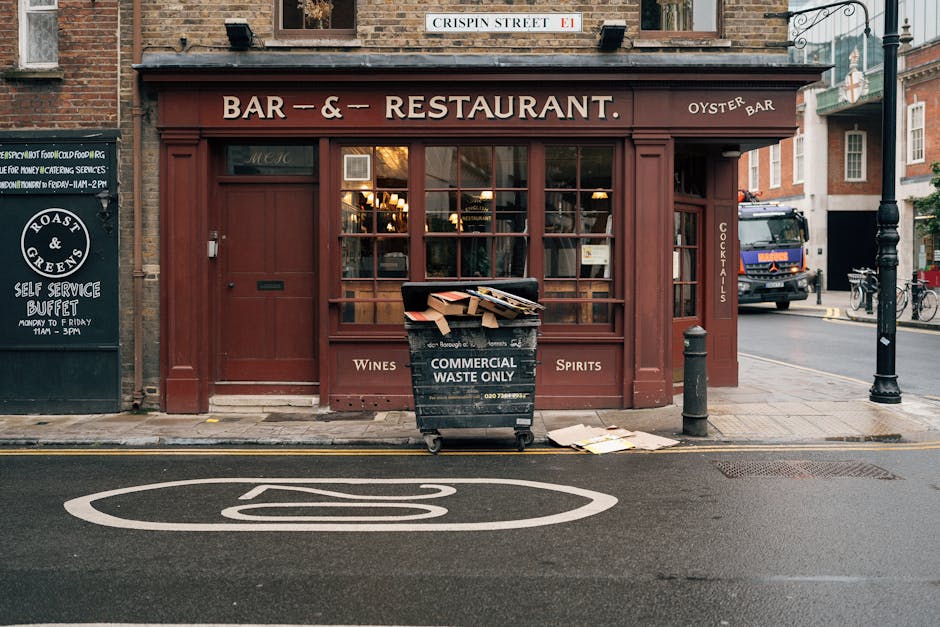
Rubbish removal sounds simple right up until the day it isn't. A van is booked, bags are stacked by the door, and then something small turns into a hold-up: no parking, a tight hallway, a missed item on the quote, or a collection that clashes with local traffic. If you live or work in Hampstead, a little planning makes a huge difference. These insider tips to avoid rubbish removal delays in Hampstead will help you keep things moving smoothly, save time, and reduce the awkward back-and-forth that nobody enjoys.
Truth be told, delays usually come from avoidable details rather than big dramatic problems. The good news? Most of them can be prevented with a bit of local know-how, a sensible checklist, and a clear idea of what your collection team needs before they arrive.
Why insider tips to avoid rubbish removal delays in Hampstead matter
Hampstead is lovely, but it is not the easiest place for a smooth collection every single time. Narrow access points, busier roads, residents' parking, basement flats, shared entrances, and the occasional awkward stairwell can all slow things down. That does not mean rubbish removal has to be stressful. It just means the job rewards preparation.
When delays happen, they often lead to extra waiting, rescheduling, or additional labour if the crew has to spend time moving items around before they can even start. For homeowners, that can mean a half-cleared hallway and a very annoying weekend. For landlords, managing agents, builders, and local businesses, it can throw off the rest of the day. If you have ever tried clearing a property before a handover, or after a last-minute change of tenant, you will know how quickly time disappears.
That is why local context matters. Hampstead has its own rhythm, and collection teams usually work around it better when you give them the right information early. For broader local context on the area itself, you may find what it's like to live in Hampstead useful, especially if you are trying to plan around residential routines and access patterns.
Expert summary: Most rubbish removal delays are not random. They happen when access, item descriptions, timing, or parking details are unclear. Get those right, and the rest becomes far easier.
How insider tips to avoid rubbish removal delays in Hampstead works
At its simplest, avoiding delays is about reducing unknowns before the collection day. A rubbish removal team needs to know what they are lifting, where it is, how easy it is to reach, and whether they can stop safely nearby. If one of those pieces is missing, the clock starts drifting.
Here is the basic flow. First, you request a quote or booking. Then you describe the waste as accurately as possible. After that, the collection window is agreed, along with any access notes. On the day, the team arrives, assesses the load, and removes it. If the information provided was accurate, the job tends to move quickly and calmly. If not, there may be delays while the team checks the access route, re-prices additional items, or rearranges the collection plan.
The trick is to think like the crew for a minute. Can they park close enough? Can they get a sofa out without scraping walls? Is the waste already grouped by type? Are there fragile or prohibited items mixed in? These little questions sound obvious, but in practice they are where collections either flow or stall.
If your property sits in a tighter part of NW3, it is worth reading a practical NW3 alleyway access guide for Hampstead rubbish collection. Access is one of the biggest delay triggers, and in Hampstead, that is hardly surprising.
Key benefits and practical advantages
When you plan well, the gains are not just about speed. You usually get a smoother booking experience, cleaner pricing, and less disruption on the day. That matters whether you are clearing a flat, a garden, an office, or a building site.
- Fewer reschedules: clear details reduce the need for follow-up calls or revised booking windows.
- Better pricing accuracy: if the volume and type of waste are described properly, quotes are usually more reliable.
- Less disruption: good access planning means less time spent waiting outside with bags in the rain. Not fun, obviously.
- Lower stress: you know what will happen, and roughly when. That alone is worth a lot.
- Faster completion: a prepared property lets the team load efficiently and leave promptly.
- Better compliance: separating waste properly can help support recycling and proper disposal routes.
There is also a practical trust benefit. If a provider sees that you have taken the booking seriously, they can usually make better decisions before they arrive. They know what kind of vehicle to send, how much labour to allocate, and whether a same-day slot is realistic. It sounds small, but it really does help.
For readers comparing service types, a useful starting point is the site's services overview, which gives a clearer sense of how different clearances are typically handled.
Who this is for and when it makes sense
This guidance is useful for almost anyone arranging waste removal in Hampstead, but it is especially relevant if your property or project has one of those slightly annoying features that can cause delays without much warning.
- Homeowners clearing out old furniture, loft clutter, or post-renovation waste.
- Tenants trying to empty a flat before check-out day.
- Landlords and agents who need a property cleared between occupiers.
- Builders and trades dealing with mixed construction waste and awkward site access.
- Businesses planning an office clearance without interrupting operations.
- Gardeners and homeowners managing seasonal green waste after a tidy-up.
It makes even more sense if your waste is spread over several rooms, if the collection must happen on a tight deadline, or if the property sits near a busy stretch such as Hampstead High Street. In those situations, small delays compound quickly.
If you are dealing with a commercial move or a big domestic clear-out, it may also help to compare a targeted service such as house clearance in Hampstead with a simpler one-off collection. Likewise, office moves often benefit from office clearance Hampstead rather than general waste removal.
Step-by-step guidance
Let's keep this practical. If you want to avoid delays, use a simple process rather than hoping things will work themselves out. Hope is lovely. Logistics are better.
1. Sort the waste before you book
Start by grouping items by type: furniture, bags of household rubbish, garden waste, builders' rubble, electrical items, or mixed junk. You do not need a perfect labelling system, but you do need enough clarity to explain what is there. A quick photo set is often more useful than a long message. One picture of the pile, one of the access route, and one of any awkward item is usually enough.
2. Measure the awkward bits
That old wardrobe might look manageable until it reaches the hallway corner. Measure large items, stair widths, doorway gaps, and any basement or loft access points. If the crew can see that a double mattress, sofa, or large cabinet may need two people and a careful turn, they can plan accordingly.
3. Check where the vehicle can stop
Parking and stopping space are critical in Hampstead. Even a short pause can be difficult in a busy area, especially at peak times. If there is a loading bay, a side road, or a specific gate entrance, explain it clearly when booking. If there is controlled parking or limited waiting, say so early rather than on the morning of the job.
4. Be precise about timing
Morning collections can be simpler because the day is less crowded. Mid-afternoon jobs may be affected by school runs, local traffic, or earlier jobs overrunning. If you need the collection done around a move-out, builder handover, or delivery window, build a buffer into your schedule. A 30-minute cushion can save you a lot of grief.
5. Separate restricted or special items
Some items may need extra handling or may not be accepted in the same way as standard rubbish. If you are unsure, flag them in advance. That includes items with glass, sharp edges, or anything potentially hazardous. The point is not to panic. It is simply to avoid surprises. Surprises are lovely on birthdays, less so in a rubbish clearance.
6. Confirm the quote and terms
Before the crew arrives, make sure you know what the quote covers, whether labour is included, and what could change the final price. The site's pricing and quotes page is a sensible reference point if you want to understand how estimates are generally handled. You should also read the terms and conditions so there are no awkward assumptions on the day.
7. Prepare the route before arrival
Clear the path from the waste to the collection point. Move bikes, pushchairs, plant pots, and anything else that could slow the team down. If a large item needs to be taken down stairs, make the space safe and uncluttered. You do not need to stage a showroom. Just make the route obvious.
8. Keep your phone close
This sounds almost too simple, but it matters. If the team cannot locate the property, or needs a quick question answered about access, they need to reach you quickly. A missed call in the middle of a collection can add unnecessary waiting. Not dramatic, just irritating.
Expert tips for better results
Here are the little things experienced customers tend to get right. They are not glamorous, but they make a real difference.
- Send photos, not just descriptions. Words like "a few bags" or "some furniture" are wildly open to interpretation.
- Be honest about volume. Understating the amount of waste is one of the fastest ways to create delay and friction.
- Book slightly earlier than you think you need to. If your deadline is tight, do not leave everything to the last possible slot.
- Ask about access before the day. A crew can advise you if a particular stairwell or alleyway may need extra time.
- Keep mixed waste organised. If recyclables, bulky items, and building debris are all bundled randomly, loading takes longer.
- Use the right service for the job. Garden clippings, builders' rubble, and furniture all behave differently in practice.
For example, after a weekend garden tidy-up in early autumn, a customer may think the job is "just a few sacks." But once branches, soil, broken pots, and an old bench are all stacked together, the load becomes more complex. In that sort of case, the dedicated garden waste removal Hampstead option is often the cleaner fit.
Likewise, if you are replacing a sofa, dining set, or office furniture, using a specialist disposal route is often faster than trying to squeeze it into a general clearance. The page for furniture disposal Hampstead is a useful example of how a more specific service can reduce last-minute confusion.

Common mistakes to avoid
This is where a lot of delays begin. The problem is not usually bad intent. It is simply incomplete planning.
- Waiting until the last minute. Late bookings reduce flexibility and make access problems harder to solve.
- Using vague descriptions. "Rubbish in the garden" does not tell anyone enough.
- Forgetting about parking restrictions. In Hampstead, this can be the difference between a smooth collection and a long wait.
- Mixing waste types without warning. A load of builders' waste behaves very differently from household junk.
- Not checking stair or lift access. If the crew arrives expecting a lift and finds a narrow staircase instead, time gets lost immediately.
- Leaving items scattered everywhere. A team can work faster when waste is grouped and visible.
- Ignoring building rules. Some flats, managed properties, and commercial spaces have their own access procedures.
- Assuming same-day is always possible. It sometimes is, but only if the details line up cleanly.
If you want a fuller breakdown of booking errors, the article on common mistakes when booking Hampstead rubbish collection is a strong companion read. And if you want to avoid awkward pricing surprises, have a look at how to avoid hidden rubbish collection charges in Hampstead.
Tools, resources and recommendations
You do not need specialist software to organise a collection, but a few simple tools make life easier.
- Phone camera: take photos of the waste and access route.
- Measuring tape: useful for large furniture or tight doorways.
- Notebook or notes app: jot down counts, dimensions, and any awkward access details.
- Calendar reminder: especially helpful if the collection is tied to a move, tenancy end, or contractor deadline.
- Sorting bags or boxes: handy for separating smaller items before pickup.
If you are comparing service types, the waste collection Hampstead page is a sensible place to understand broad collection options, while builders waste disposal Hampstead is the better fit for renovation debris, broken materials, and site clear-up.
For customers who care about what happens after collection, the site's recycling and sustainability information is worth a look. It helps set expectations about sorting and responsible disposal, which is becoming more and more important, quite rightly too.
It can also help to understand the team behind the service. The about us page gives some context about the company, while insurance and safety is useful if you want reassurance about working practices and risk awareness.
Law, compliance, standards and best practice
Rubbish removal is not just about speed. In the UK, waste handling also needs to be done responsibly. You do not need to memorise legal language, but you should expect a professional approach to waste transport, handling, and disposal. If a provider cannot explain where waste goes or how it is managed, that is a warning sign.
For customers, the practical side is straightforward: do not leave waste in a public place without proper arrangement, be careful with items that might be classed as hazardous, and be accurate about what you are booking. If the material is mixed, bulky, or likely to need specialist treatment, say so. That avoids confusion and helps the crew plan correctly.
It is also sensible to read privacy, payment, and accessibility information if you are booking online or coordinating on behalf of someone else. Clear admin may not be exciting, but it reduces mistakes. The relevant pages for payment and security, privacy policy, and accessibility statement can help set expectations before the appointment.
One more thing: if you are dealing with a property transfer or rental change, timing often matters as much as disposal itself. That is why some readers also find the local articles on Hampstead residential properties and investing in Hampstead: your real estate guide surprisingly relevant. They offer broader local context that can help you plan around occupancy, turnover, and access.
Options and comparison table
Different situations call for different removal methods. Picking the right one is often the easiest way to prevent delays before they even start.
| Option | Best for | Delay risk | Why it works well |
|---|---|---|---|
| General waste collection | Mixed household rubbish, bags, small bulky items | Low to medium | Flexible and straightforward when the load is clearly described |
| House clearance | Whole rooms, probate clear-outs, end-of-tenancy clearances | Medium | Better for larger, more varied jobs where labour planning matters |
| Office clearance | Desks, chairs, archive clutter, commercial move-outs | Medium | Helps manage business access, timing, and furniture handling |
| Furniture disposal | Bulky single items or small furniture loads | Low | Simple if access is measured and the item sizes are shared in advance |
| Garden waste removal | Green waste, branches, soil, outdoor clearances | Low to medium | Best when organic waste is separated and access to the garden is clear |
| Builders waste disposal | Renovation debris, rubble, timber offcuts, mixed site waste | Medium to high | Needs the most precise planning because weight, volume, and access matter a lot |
The main takeaway? Match the job to the right service. That one decision can remove a surprising amount of friction. If you are unsure, it is usually better to ask before booking than to discover the mismatch on collection day.
Case study or real-world example
A common Hampstead scenario goes like this. A family is leaving a first-floor flat near a busy road, and they need a sofa, two mattresses, several bags, and some broken shelving removed before a weekend move. At first, they describe it as "a bit of rubbish and some furniture."
That sounds harmless enough, but the crew has no idea whether the sofa will fit through the staircase, whether parking will be available, or whether the bags are already grouped by room. On collection day, the van arrives, but access turns out to be tighter than expected. Someone has to move bins, the hallway is partially blocked, and a quick job becomes a slower one.
Now compare that with the same job booked properly. The customer sends photos, gives the property floor level, confirms the nearest stopping point, and mentions that one stair landing is awkward. The team arrives with the right plan, the furniture is moved carefully, and the collection is done with very little fuss. No drama. No guesswork.
That is really the point of all these insider tips to avoid rubbish removal delays in Hampstead. It is not about perfection. It is about making the day predictable enough that everyone can do their part well.
Another useful local reference is the Hampstead High Street rubbish removal guide for residents, especially if your collection needs to fit around busier streets and more visible access points.
Practical checklist
Use this simple checklist the day before your collection. It is short on purpose.
- Have I described the waste clearly and honestly?
- Have I sent photos of the load and access route?
- Are large items measured or at least estimated properly?
- Do I know where the vehicle can stop?
- Have I checked parking or access restrictions?
- Is the waste grouped and ready to go?
- Have I separated any items that may need special handling?
- Do I understand the quote and any conditions attached to it?
- Will someone be reachable by phone on the day?
- Is the route from the waste to the pickup point clear?
If you can tick most of those off, you are already ahead of the curve. Seriously. A lot ahead.
Conclusion
Delays in rubbish removal are rarely mysterious. In Hampstead, they usually come down to access, timing, item clarity, or a booking that was a bit too vague. Once you approach the job with local conditions in mind, the whole process becomes more manageable. You do not need to overthink it, but you do need to prepare properly.
The best results come from simple habits: send photos, be honest about volume, think about parking, choose the right service, and keep the route clear. That is the practical heart of avoiding collection delays. Not glamorous. Very effective.
And if you are juggling a move, a renovation, or a clear-out with a lot going on at once, give yourself a little breathing room. Hampstead can be busy and a touch awkward logistically, but with the right approach, rubbish removal does not have to be one more thing hanging over your head.
Get a free quote today and see how much you can save.
Sometimes the smoothest collection is simply the one that was planned with care.
 Tipper Van - Rubbish Removal and Waste Collection Prices in Hampstead, NW3
 Luton Van - Rubbish Removal and Waste Collection Prices in Hampstead, NW3


