Common mistakes when booking Hampstead rubbish collection
Posted on 01/08/2026

Booking rubbish removal sounds simple until it isn't. One minute you're clearing out a spare room, the next you're dealing with access issues, surprise charges, awkward parking, and a van that can't get close enough to the property. The most common mistakes when booking Hampstead rubbish collection usually happen before the collection team even arrives, and they're often easy to avoid once you know what to look for.
This guide walks you through the practical traps people fall into, why they matter in Hampstead and NW3, and how to make a cleaner, calmer booking the first time round. If you live in a terrace, manage a flat, run a small business, or you're simply trying to shift a pile of old furniture without turning the day into a saga, you're in the right place.
- Why these mistakes matter
- How rubbish collection booking works
- Key benefits of booking well
- Who this is for
- Step-by-step guidance
- Expert tips
- Common mistakes to avoid
- Tools, resources and recommendations
- Law, compliance and best practice
- Options and comparison
- Real-world example
- Practical checklist
- Conclusion
- Frequently asked questions
Why Common mistakes when booking Hampstead rubbish collection Matters
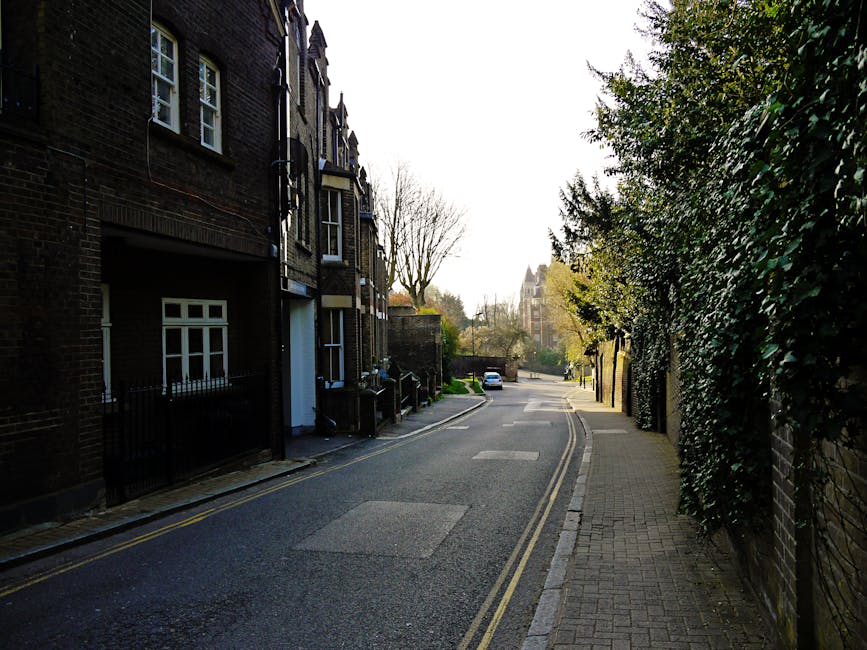
Hampstead has its own rhythm. Streets can be narrow, access can be tight, parking is rarely generous, and not every property is set up for a straightforward collection. That means a booking that would be fine elsewhere in London can turn messy very quickly here. Let's face it, the difference between a smooth collection and a frustrating one is often just a few minutes of preparation.
When people make avoidable mistakes, they usually end up paying in one of four ways: time, money, stress, or all three. A wrong quote can lead to add-on charges. Incorrect waste descriptions can slow down the job. Missed access details can mean the collection is delayed or rescheduled. And if the waste isn't handled properly, it can become a compliance issue as well, which nobody wants hanging over them.
This matters just as much for household clear-outs as it does for builders, landlords, office managers, and anyone arranging one-off clearance. The stakes are different, but the pattern is the same: good booking decisions save effort later. If you want a broader feel for the area and the type of properties people are dealing with, you may find the background in what it's like to live in Hampstead and Hampstead residential properties useful for context.
Expert summary: the biggest booking mistakes are usually not about the rubbish itself. They're about assumptions - about access, volume, item type, timing, and what the quote actually covers.
How Common mistakes when booking Hampstead rubbish collection Works
Most rubbish collection services follow a fairly simple process: you describe the waste, the provider estimates the load, they confirm any access or handling details, and then the collection is carried out at the agreed time. In reality, the tricky part is the accuracy of the information you give at the start.
A proper booking should normally cover the type of waste, approximate volume, location of the items, access constraints, whether the items are heavy or awkward, and any extra handling needed. If it's builders waste, garden waste, office clearance, or furniture disposal, those categories can affect how the job is priced and planned. For a better overview of what a service may include, it helps to look at the wider services overview and the more specific pages for furniture disposal, garden waste removal, builders waste disposal, house clearance, and office clearance.
The booking process becomes smoother when you treat it as a small planning exercise rather than a last-minute call. Take a quick look at what's involved, note anything awkward, and describe the waste as clearly as you can. That one step alone prevents a lot of back-and-forth.
Key Benefits and Practical Advantages
Booking rubbish collection properly does more than reduce hassle. It helps you get a more accurate quote, a better time slot, and a more realistic expectation of how the day will go. That sounds obvious, but in practice it is the bit people skip.
- Fewer surprise charges: when the waste type and volume are described correctly, pricing tends to be cleaner and easier to understand.
- Better arrival planning: accurate access details mean the crew can plan around stairs, basements, courtyards, or narrow roads.
- Smoother clearance: if the right vehicle and team are sent, the job usually finishes faster.
- Less stress on the day: you're not scrambling to move items or explain why the van can't park outside.
- Lower risk of mistakes: from missed collections to awkward disposal problems, good preparation cuts down avoidable issues.
There's also a practical sustainability angle. If you're careful about what you book and how you sort waste, it becomes easier to separate reusable items from general rubbish and improve recycling outcomes. That ties in neatly with recycling and sustainability, which is increasingly part of how many people want to approach clearance now. Fair enough, nobody wants to throw away something that could have been reused or diverted properly.
Who This Is For and When It Makes Sense
This topic is for anyone arranging waste removal in Hampstead who wants the job done without drama. That includes homeowners, tenants, landlords, property managers, tradespeople, office teams, and anyone dealing with a one-off clear-out after a move, renovation, event, or refurbishment.
It also matters if your property has awkward access. Hampstead has plenty of homes where the front door is not exactly ideal for a van pull-up. If you're on a mews, a side street, a hill, or a narrow road with limited parking, it is worth reading the NW3 alleyway access guide for Hampstead rubbish collection and the Hampstead High Street rubbish removal guide for residents. Those kinds of location-specific details can make all the difference.
If your job is urgent, such as after a tenancy turnaround, a clearance deadline, or a last-minute property handover, the planning needs to be even tighter. In those cases, same-day availability may be helpful, but only if the access and waste details are accurate from the start. A rushed booking with missing information is, honestly, the sort of thing that bites back later.
Step-by-Step Guidance
If you want to avoid the usual mistakes, use this simple process. It's not glamorous, but it works.
- Walk the area and look properly. Check where the waste is located, how far it must be carried, and whether there are stairs, lifts, or tight corners.
- Estimate the volume honestly. A single sofa is not the same as a full room of mixed household items. Over- or under-estimating can both cause issues.
- Separate waste types. Builders waste, garden waste, furniture, and general rubbish may need different handling. Mixed loads should be described clearly.
- Flag awkward items. Fridges, mattresses, heavy wardrobes, rubble, or anything that needs dismantling should be mentioned before booking.
- Check access and parking. Note whether a van can park close by, whether there is permit-only parking, or if a loading bay is needed.
- Ask what is included. Confirm labour, loading, disposal, waiting time, and any extra charges before you agree to anything.
- Confirm the slot and contact details. Small things, but they prevent avoidable no-shows and confusion.
A useful habit is to take a few quick photos of the waste pile and the access route. Not a glossy photo shoot - just enough to show scale, item type, and the space involved. That alone can make quoting far more accurate. If you're trying to compare pricing fairly, the guidance on pricing and quotes is a sensible place to start.
Expert Tips for Better Results
In our experience, the cleanest bookings come from people who answer three questions before they even enquire: what needs collecting, where it is, and what might complicate access. That's it. Very unglamorous, but effective.
Here are a few tips that genuinely help:
- Be specific, not approximate in a vague way. "A few bags" can mean three bags or thirty. Try to count them.
- Tell the provider about stairs early. A basement flat or top-floor walk-up changes the whole job shape.
- Check whether items can be reused. If something has life left in it, mention it. Some customers forget this and it's a shame.
- Don't assume same-day means no prep. Even urgent collections go better when the waste is already together.
- Keep a buffer in timing. If you need the space cleared before a handover, don't leave the booking until the last possible hour. That never feels as relaxed as it sounds.
A tiny but important point: if you are booking in a busy part of Hampstead, build in a little extra time for parking and access. The van may be there, but the practical route from van to waste pile can be the real challenge. If you want a local perspective on area-specific logistics, the local guide to rubbish collection in NW3 Hampstead is a helpful companion read.
Common Mistakes to Avoid
This is the heart of the matter. Most booking problems come from a small list of repeat mistakes. Some are obvious in hindsight, which is probably why they keep happening.
1. Giving an inaccurate description of the waste
People often say "just a bit of rubbish" when the job is actually a mix of furniture, bags, broken items, and building debris. That can throw off the quote and the plan. If you want an accurate estimate, describe the load in plain English and mention the awkward stuff.
2. Forgetting about access restrictions
Hampstead streets can be tight. Some properties have limited frontage, narrow paths, or steps that make collection slower than expected. If the team is not told about access issues, the job can drag out or require reworking. A small alleyway can change everything, really.
3. Booking only on price
The cheapest quote is not always the best value. A low number can look good until you discover it excludes labour, disposal, or extra items. That's why it pays to understand the full quote rather than chasing the headline figure. The page on avoiding hidden rubbish collection charges in Hampstead is especially relevant here.
4. Not checking what can and cannot be taken
Some items need special handling. Others may be restricted or require extra steps. If you assume everything can be taken in one go, you may face delays on collection day. It is always better to ask first than argue with a van at the kerb. Nobody enjoys that, least of all on a damp Tuesday morning.
5. Leaving the booking too late
Last-minute bookings are sometimes unavoidable, but they can reduce your options. You may get a time slot that is less convenient, or you may not have enough time to prepare the waste properly. If the collection is linked to a move, tenancy end, or builder schedule, late booking can become expensive.
6. Not sorting the waste beforehand
Mixed waste can be fine, but only if the provider knows what to expect. If everything is thrown into one pile, you may miss chances to separate items for reuse or simpler removal. A quick sort also helps you see if there are any hazardous or fragile items hiding in the mix.
7. Ignoring parking and permit realities
In some parts of Hampstead, parking is the main event. If a vehicle has to wait, circle the block, or park far from the property, the job can take longer and may affect the final cost. A little notice goes a long way.
8. Assuming all rubbish collection services are the same
They are not. Different providers may structure their pricing, arrival windows, waste categories, and handling rules differently. If you want a smoother experience, compare more than just the number on the page. Compare clarity, communication, and how well they explain the process.
Tools, Resources and Recommendations
You do not need specialist software to book rubbish collection well. A few simple tools are enough.
- Phone camera: use it to record the waste pile, access route, and parking situation.
- Notes app or checklist: jot down the number of bags, furniture items, or rubble sacks.
- Measuring tape: handy if you need a rough width or height for bulky items.
- Calendar reminder: useful if your collection needs to happen before a move, builder visit, or handover deadline.
- Email screenshot or booking summary: keep the confirmation in one place so there's no confusion later.
If you want to understand the service range before booking, the waste collection Hampstead page is a good general reference, while the service-specific pages for furniture disposal and builders waste disposal are better when you already know what kind of load you have.
For situations where property clearance is broader than a few bags, the pages on house clearance Hampstead and office clearance Hampstead are worth reading before you commit. They can help you avoid choosing a basic collection where a fuller clearance would actually be more sensible.
Law, Compliance, Standards, or Best Practice
Rubbish disposal in the UK is not just a matter of moving items from one place to another. Waste has to be handled responsibly, and both householders and businesses have a role in making sure that waste goes to the right place. You do not need to be an expert in waste law to book a collection, but you should avoid treating it as a casual handoff.
For readers, the practical best practice is simple: use a reputable provider, describe the waste accurately, keep records of the booking, and ask questions if anything is unclear. For businesses, that caution matters even more because clearance can affect operating continuity and documentation. If you are arranging larger or repeated removals, it is sensible to check how the provider handles safety, insurance, and responsible disposal. The pages on insurance and safety and terms and conditions are useful for understanding the framework a service works within.
There are also ethical considerations. If sustainability matters to you, ask how recyclable items are separated and how reusable goods are treated. If privacy is relevant, especially for office or house clearances, make sure documents, data-bearing devices, and personal items are handled carefully. And if you are reviewing a provider, pages such as about us, privacy policy, payment and security, and accessibility statement can give you a better feel for how the business operates.
Options, Methods, or Comparison Table
Different waste jobs call for different approaches. A quick comparison can help you choose more sensibly.
| Method | Best for | Watch out for |
|---|---|---|
| Standard rubbish collection | Mixed household waste, bagged items, small clear-outs | Underestimating volume or forgetting access details |
| Furniture disposal | Bulky items, sofas, wardrobes, beds | Stairs, weight, and dismantling needs |
| Builders waste disposal | Rubble, timber, renovation debris | Heavy loads, mixed materials, and access to the property |
| Garden waste removal | Green waste, branches, soil, cuttings | Overfilling, wet waste, and mixed contamination |
| House clearance | Whole-room or whole-property clear-outs | Time, sorting, and disposal of mixed items |
| Office clearance | Furniture, fixtures, general office contents | Data-sensitive items, access, and planning around business hours |
The main thing is to match the method to the job, not the other way round. People sometimes book a smaller collection because it looks cheaper, then discover they really needed a fuller clearance. That is a classic false economy.
Case Study or Real-World Example
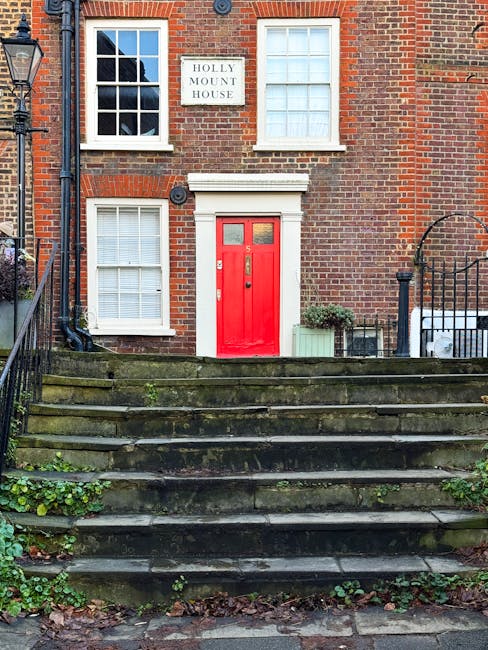
Here's a typical Hampstead scenario. A couple in a first-floor flat near a narrow residential street decide to clear old furniture before redecorating. They book quickly, without measuring anything, because there are only "a few bits". On the day, the team finds a broken wardrobe, two mattresses, bagged general waste, and a sofa that has to come down a tight stairwell with a turn halfway. Parking is also awkward, and the loading point is farther than expected.
The result? The job still gets done, but it takes longer than the couple thought, and the quote needs adjusting because the scope was more than the quick description suggested. Nothing dramatic, just avoidable friction. If they had taken ten minutes to photograph the items, count the load properly, and mention the stairs, the whole thing would have been easier.
That kind of situation is exactly why local context matters. Hampstead is lovely, but it is not always logistics-friendly. The area's character, from compact streets to older homes, is part of the charm and part of the challenge. If you want a wider sense of the neighbourhood, the articles on city-meets-countryside Hampstead and investing in Hampstead give useful background on the local property landscape.
Practical Checklist
Use this quick checklist before you book. It saves time, honestly.
- Have you identified the exact waste type?
- Do you know roughly how much needs collecting?
- Have you checked for stairs, narrow entrances, or basement access?
- Is parking or loading access likely to be difficult?
- Have you mentioned heavy, bulky, or awkward items?
- Do you know whether any items need special handling?
- Have you compared what is included in the quote?
- Have you checked the booking time against any deadline?
- Are reusable or recyclable items separated where possible?
- Have you kept a copy of the confirmation and contact details?
If you can answer yes to most of those, you are already ahead of the average booking. No drama, no guesswork, no last-minute panic at the kerb.
Conclusion
The common mistakes when booking Hampstead rubbish collection usually come down to assumptions: assuming the waste is smaller than it is, assuming access is straightforward, assuming the lowest price is the best value, or assuming there's time to sort it out later. In a place like Hampstead, those assumptions can get expensive fast.
A better approach is simple. Describe the waste clearly, think about access, ask what's included, and book with enough detail that the collection can be planned properly. That bit of care pays off. It reduces stress, supports a smoother clearance, and helps you avoid those irritating little issues that turn a quick job into a half-day headache.
And if you are still at the planning stage, that's fine. You do not need to have everything perfect before enquiring. You just need to be honest about what you've got and realistic about the access. That's usually enough.
Get a free quote today and see how much you can save.
Sometimes the smartest booking is the one that feels almost boringly prepared. That's a good thing. It means the day will probably go quietly, which is exactly what you want.
 Tipper Van - Rubbish Removal and Waste Collection Prices in Hampstead, NW3
 Luton Van - Rubbish Removal and Waste Collection Prices in Hampstead, NW3


