Avoid hidden rubbish collection charges in Hampstead
Posted on 26/06/2026
If you have ever booked a clearance and then watched the price creep up for "extras", you are not alone. Hidden rubbish collection charges can turn a simple tidy-up into a frustrating, expensive job, especially in Hampstead where access, parking, and property layouts can complicate the visit. This guide explains how to avoid hidden rubbish collection charges in Hampstead, what to look for in a quote, and the small details that save money before anyone lifts a bag. It is written for anyone clearing a flat, a house, a garden, a shop, or a building project in NW3. Simple idea, but worth getting right.
In practice, the cheapest-looking quote is not always the cheapest option. The real cost depends on loading time, waste type, access, lifting distance, disposal fees, and whether the company has been clear about what is included. A ten-minute conversation now can save a very awkward invoice later. Let's walk through it properly.
Why Avoid hidden rubbish collection charges in Hampstead Matters
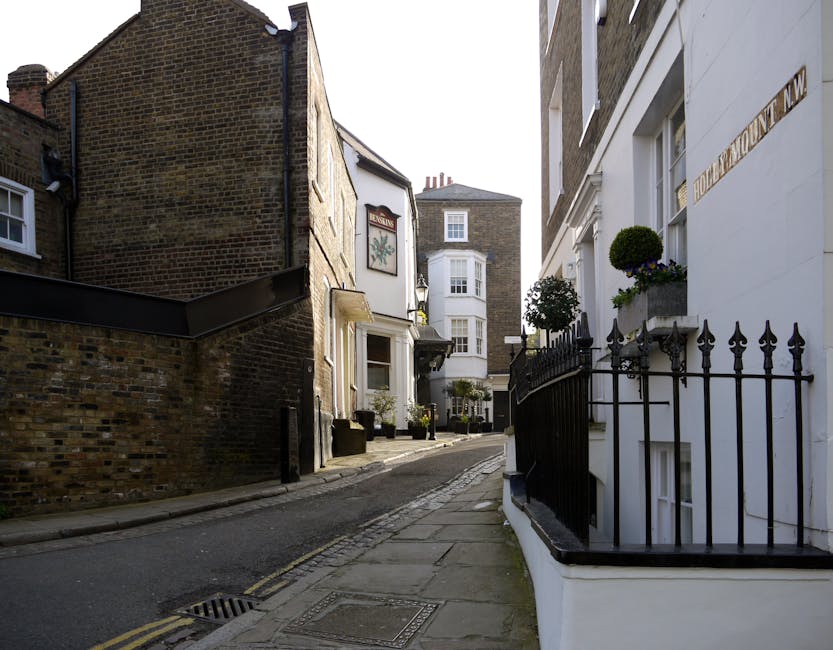
Hidden charges do more than sting your wallet. They make planning harder, they slow down home projects, and they can leave you comparing two quotes that were never truly comparable in the first place. In Hampstead, this matters even more because the area mixes period homes, mews-style access, busy residential streets, and narrow lanes. That sounds charming, and it is, but it also creates small logistical costs that some providers bundle in and others add on later.
There is another reason this topic matters: trust. If a company is vague before the job, it often stays vague after the job. Clear pricing is not just about money; it tells you how the team thinks. Do they ask sensible questions? Do they explain weight limits, access issues, or waiting time? Do they spell out disposal charges in plain English? These are good signs.
You will also notice that rubbish jobs vary more than people expect. Clearing three bulky items from a ground-floor flat is a different task from removing builders' waste from a property with no easy parking. Hidden costs usually appear where the job gets more complicated than the initial call suggested. That is why it pays to get detailed early.
Expert takeaway: the best protection against surprise charges is not luck. It is a clear scope, honest photos, and a quote that states what is included before collection day.
For readers comparing related services, it can help to browse the broader services overview and the site's pricing and quotes information before making a decision.
How Avoid hidden rubbish collection charges in Hampstead Works
The phrase sounds simple, but the process is really about three things: defining the waste, defining the access, and defining the price model. Once those are clear, surprise charges become much less likely. When they are fuzzy, the invoice can drift upward in ways that feel frustratingly avoidable.
1) The waste is assessed
Any decent quote should consider what is being removed. Household rubbish, furniture, garden cuttings, builders' rubble, and office clutter all behave differently. They take different time to load, different vehicles to move, and different disposal routes. A mattress is not the same as mixed renovation waste. Obvious enough, but this is where many "cheap" quotes start to wobble.
2) The access is checked
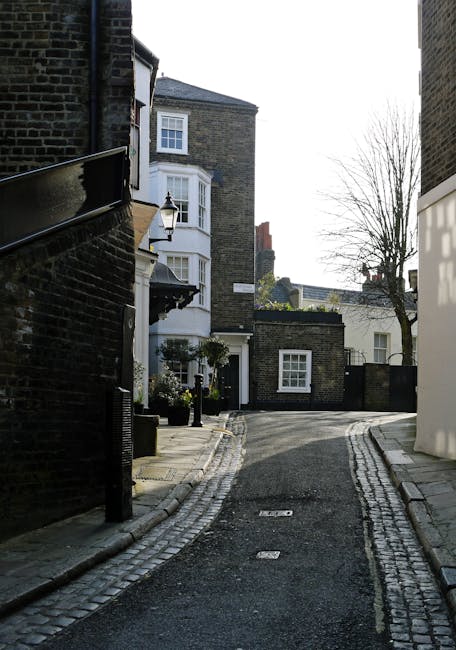
In Hampstead, access can be the hidden variable. Is the collection point on a main road or down a tight lane? Is there basement access, a flight of stairs, limited parking, or a long carry from the property to the vehicle? A quick photo can help here. If a company cannot see the practical access conditions, it may guess. Guessing leads to extra charges. No surprise there.
3) The pricing model is clarified
Most reputable quotes are built around a clear structure, such as the amount of waste, the type of waste, or a defined load size. Where hidden charges appear is in the details: fuel charges, congestion-related adjustments, labour after a set time, waiting fees, or disposal surcharges for certain materials. Some of these may be legitimate depending on the job, but they should be stated upfront.
That is the key point. Fees are not automatically bad; surprise fees are.
If your job is larger or more specialised, you may want to compare service pages such as house clearance in Hampstead, furniture disposal, or builders waste disposal so the quote matches the real task more closely.
Key Benefits and Practical Advantages
Keeping pricing transparent is not just about avoiding a bad surprise. It makes the whole job smoother. You can plan better, make decisions faster, and avoid the awkward back-and-forth that happens when a quote keeps changing. In our experience, customers relax once the moving parts are spelled out. The job still needs doing, of course, but it no longer feels like a guessing game.
- Better budget control: you know what you are likely to pay before the van turns up.
- Fewer disputes: if the scope is clear, there is less room for disagreement later.
- Faster booking: accurate details help the provider send the right vehicle and team first time.
- More suitable service choice: you can tell whether you need general collection, clearance, garden waste removal, or something more specialised.
- Less wasted time: no one wants to renegotiate while bags are already on the driveway.
There is also a quieter benefit: peace of mind. When you know the price is properly explained, the job feels easier. That sounds small, but during a house move or renovation, small bits of calm matter.
For local context, you may also find these pages useful: local guide to rubbish collection in NW3 Hampstead and Hampstead High Street rubbish removal guide.
Who This Is For and When It Makes Sense
This advice is useful for almost anyone arranging waste removal in Hampstead, but it especially helps if your collection has more than one moving part. If your waste is easy to describe and the property is straightforward, pricing is usually simpler. If not, it is worth slowing down and asking a few more questions. A little care here can save a lot later.
- Homeowners clearing out lofts, garages, spare rooms, or entire properties.
- Landlords and letting agents dealing with end-of-tenancy rubbish or abandoned items.
- Tenants who need to avoid extra costs before handing back keys.
- Builders and tradespeople handling mixed site waste or bulky renovation debris.
- Offices and businesses disposing of furniture, packaging, or old equipment.
- Gardeners and property managers with green waste after pruning or landscaping.
It also makes sense if you live on a street where access is tight or parking is uncertain. Hampstead has plenty of lovely roads where the practicalities are a bit fiddly. Charming? Absolutely. Simple for collections? Not always.
If you are dealing with a property clearance rather than a one-off item, check the broader options for office clearance and garden waste removal in Hampstead too.
Step-by-Step Guidance
- List everything that needs removing. Be specific. "Two wardrobes, one mattress, four bin bags, some broken shelves" is much better than "a few bits".
- Take clear photos. Include the items, the access route, stairs if relevant, and the place where the vehicle would need to stop.
- Ask what is included. Does the price include labour, loading, disposal, and VAT if applicable? If it includes only part of the job, ask what is excluded.
- Check for item-based or waste-type surcharges. Some materials are costlier to handle than general mixed rubbish. Ask in plain language.
- Confirm access assumptions. Mention parking issues, narrow alleys, long carries, or any time restrictions. This is especially useful in NW3.
- Request a written quote or clear message summary. Even a simple email or message trail helps avoid misunderstandings.
- Ask what would count as an extra charge. A reputable provider should be able to explain the conditions that trigger changes.
- Compare more than the headline figure. Look at what you are actually getting, not just the cheapest number on the screen.
- Book a realistic slot. Rushing often leads to confusion. Give the team enough time to assess, load, and finish properly.
- Review the final invoice before paying. If something looks unfamiliar, ask about it straight away rather than weeks later.
That last step matters more than people think. Many disputes are not dramatic scandals; they are just misunderstandings left to harden. A quick question solves more than a long complaint later.
Expert Tips for Better Results
Here are the habits that tend to separate a smooth collection from a messy one. None of them are complicated, but together they make a big difference.
- Be precise about waste type. Mixed waste, plasterboard, green waste, and old furniture may not be priced the same way.
- Separate reusable items where possible. If items can be donated, sold, or kept out of the mixed load, the job may be simpler.
- Show awkward access points early. Photos of gates, stairs, and parking are worth their weight in gold, really.
- Ask whether the quote is fixed or estimated. Estimated quotes can be fine, but only if you know what might move the number.
- Match the service to the job. A general waste collection is not always the right fit for a property clearance, and vice versa.
- Keep a written record. A short email chain can prevent a lot of "he said, she said" later.
Practical rule: if a price sounds unusually low, ask what has been left out. You are not being difficult. You are being sensible.
It is also smart to ask about payment timing and accepted methods before collection day. If you want to understand how a provider handles transactions and customer data, their payment and security and privacy policy pages are worth a look.
Common Mistakes to Avoid
Most hidden charges can be traced back to one of a few simple mistakes. The good news is that they are easy to avoid once you know what to watch for. A few minutes of careful prep is usually enough.
- Accepting a quote without checking what it covers. "Collection included" is not always as complete as it sounds.
- Forgetting about access issues. A narrow entrance or awkward stairwell can change the labour involved.
- Not separating waste types. Putting everything into one pile can make the job slower and more expensive.
- Assuming all items are treated equally. Sofas, mattresses, appliances, and rubble may be priced differently.
- Leaving out last-minute items. That extra pile by the back gate can alter the quote, sometimes quite a bit.
- Choosing only on price. The cheapest quote may be the noisiest one later, if you know what I mean.
- Not confirming parking or waiting limits. In a busy part of Hampstead, timing can matter.
A small caution here: if a company seems reluctant to explain their pricing, that is already useful information. You do not need a lecture, just a straight answer. Fair enough, really.
Tools, Resources and Recommendations
You do not need fancy software to manage waste costs well. A simple set of tools is enough. What helps most is preparation and documentation.
| Tool or resource | What it helps with | Why it matters |
|---|---|---|
| Phone photos | Showing waste volume and access | Reduces guesswork and surprise adjustments |
| Simple item list | Counting what needs removal | Makes quotes more accurate |
| Message or email trail | Keeping quote details | Useful if you need to check what was agreed |
| Room-by-room check | Finding forgotten items | Helps avoid last-minute additions |
| Calendar reminder | Preparing the property before collection | Stops delays and access problems on the day |
For service planning, the most useful recommendations are often the simplest: describe the job honestly, ask for a full breakdown, and avoid vague "ballpark" conversations that never quite settle into a proper quote. If you need a more detailed service approach, the site's about us page can help you understand the company's approach, while insurance and safety gives another layer of reassurance.
If sustainability matters to you, it is also sensible to ask how items are handled after collection. The recycling and sustainability information explains the kind of thinking many customers now expect: less waste to landfill where possible, and a more responsible approach overall.
Law, Compliance, Standards, or Best Practice
Waste removal in the UK is a regulated area, and while this article is not a legal guide, it is worth knowing the basics. A legitimate operator should be able to explain how waste is handled, what the service includes, and how pricing is built. You should never feel pressed to pay for something you were not told about in advance.
Good practice usually includes clear identification of the waste type, honest access assumptions, and transparent terms. It also means treating restricted items carefully and separating special materials where needed. If a provider mentions extra disposal costs, they should be able to explain why those costs exist in plain language. No drama, just clarity.
From a consumer point of view, the safest approach is simple: ask questions, keep written evidence, and read the terms before booking. The terms and conditions page exists for a reason, even if nobody enjoys reading the fine print on a Tuesday afternoon.
For regulated or sensitive jobs, proper handling matters as much as price. That is especially true for building waste, household clearances with mixed contents, and collections where safety or access could create extra risks. If you are unsure, ask the provider to explain the service boundaries before you commit.
Options, Methods, or Comparison Table
There are several ways to approach rubbish removal in Hampstead, and the right one depends on the size of the job, the type of waste, and how much help you want. Here is a simple comparison.
| Option | Best for | Potential hidden charge risk | What to check |
|---|---|---|---|
| Standard rubbish collection | General household or mixed small loads | Volume changes, access, extra labour | What is included in the base price |
| House clearance | Whole rooms, flats, or entire properties | Sorting time, stairs, additional items | Whether all rooms and items are covered |
| Furniture disposal | Bulky single items or a few large pieces | Item type, carrying distance, disassembly | Whether dismantling is included |
| Garden waste removal | Cuttings, soil, branches, green waste | Heavy loads, moisture, mixed materials | Whether bagging or loading assistance is included |
| Builders waste disposal | Renovation and construction debris | Weight, sharp materials, longer handling time | Whether rubble and mixed waste are priced differently |
This table is not about choosing the "best" service in a vacuum. It is about matching the job to the right method so the quote has fewer surprises baked into it. That alone can save a decent amount of stress.
Case Study or Real-World Example
Picture a typical Hampstead flat clearance on a rainy Friday morning. Nothing dramatic, just the usual mix of old boxes, a wardrobe, some broken shelving, and a few black bags that have been living in a corner for longer than anyone wants to admit. The customer has one quote from a provider who only asked, "How much waste is there?" The other provider asks for photos, checks access, and confirms whether the wardrobe needs dismantling.
The first quote is lower. Naturally, that looks appealing. But on the day, the collection takes longer than expected because the stairwell is tight and parking is awkward. The final bill goes up. The second provider's quote looked slightly higher at first, but it had already accounted for labour and access. Which one was actually better value? The second, almost certainly.
That kind of job is common enough in NW3. A small front-of-house lift can become a longer carry through a shared entrance. If a van can't stop directly outside, the loading time changes. And if there is a basement or a narrow alleyway involved, you really want that discussed before the crew arrives. There is nothing glamorous about discovering a surprise charge while holding a broken side table in the drizzle.
For residents dealing with local access constraints, the NW3 alleyway access guide for Hampstead rubbish collection is a helpful related read.
Practical Checklist
Use this before you confirm any collection. It is short on purpose.
- Have I listed every item or waste type clearly?
- Have I shared photos of the waste and access route?
- Do I know whether the quote includes labour, loading, and disposal?
- Have I asked what would count as an extra charge?
- Have I mentioned stairs, parking issues, or a long carry?
- Do I know whether the price is fixed or estimated?
- Have I checked the terms and payment details?
- Have I chosen the right service for the job size and waste type?
- Do I have written confirmation of the agreed scope?
- Have I compared value, not just headline price?
One-line reminder: if something feels unclear, it probably is.
If you are still deciding which route suits your job, it can help to review the main waste collection in Hampstead service alongside this guide.
Get a free quote today and see how much you can save.
Conclusion
Hidden rubbish collection charges are avoidable in most cases, but only if you slow down enough to ask the right questions. In Hampstead, that matters even more because the area's character comes with practical quirks: narrow access, older buildings, parking constraints, and collections that are sometimes more involved than they first appear. None of that is a problem on its own. It just needs clear communication.
The safest approach is straightforward: describe the job honestly, share photos, confirm what is included, and make sure the quote matches the real collection conditions. Do that, and you are far more likely to get a fair price and a calm experience. Which, let's face it, is what most people actually want.
A good rubbish collection should feel tidy, not tense. And when the pricing is transparent, the whole thing becomes much easier to live with.

 Tipper Van - Rubbish Removal and Waste Collection Prices in Hampstead, NW3
 Luton Van - Rubbish Removal and Waste Collection Prices in Hampstead, NW3


